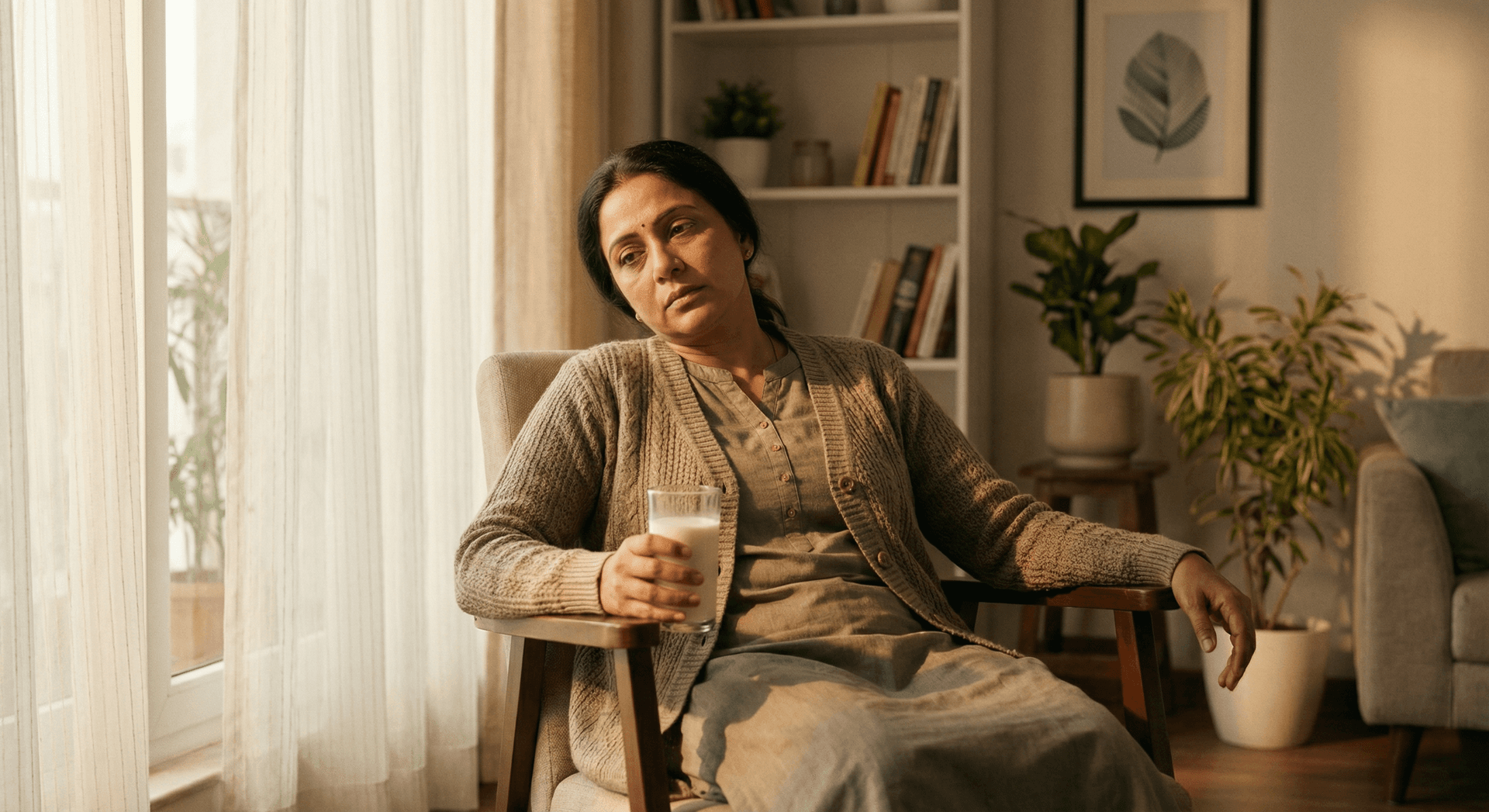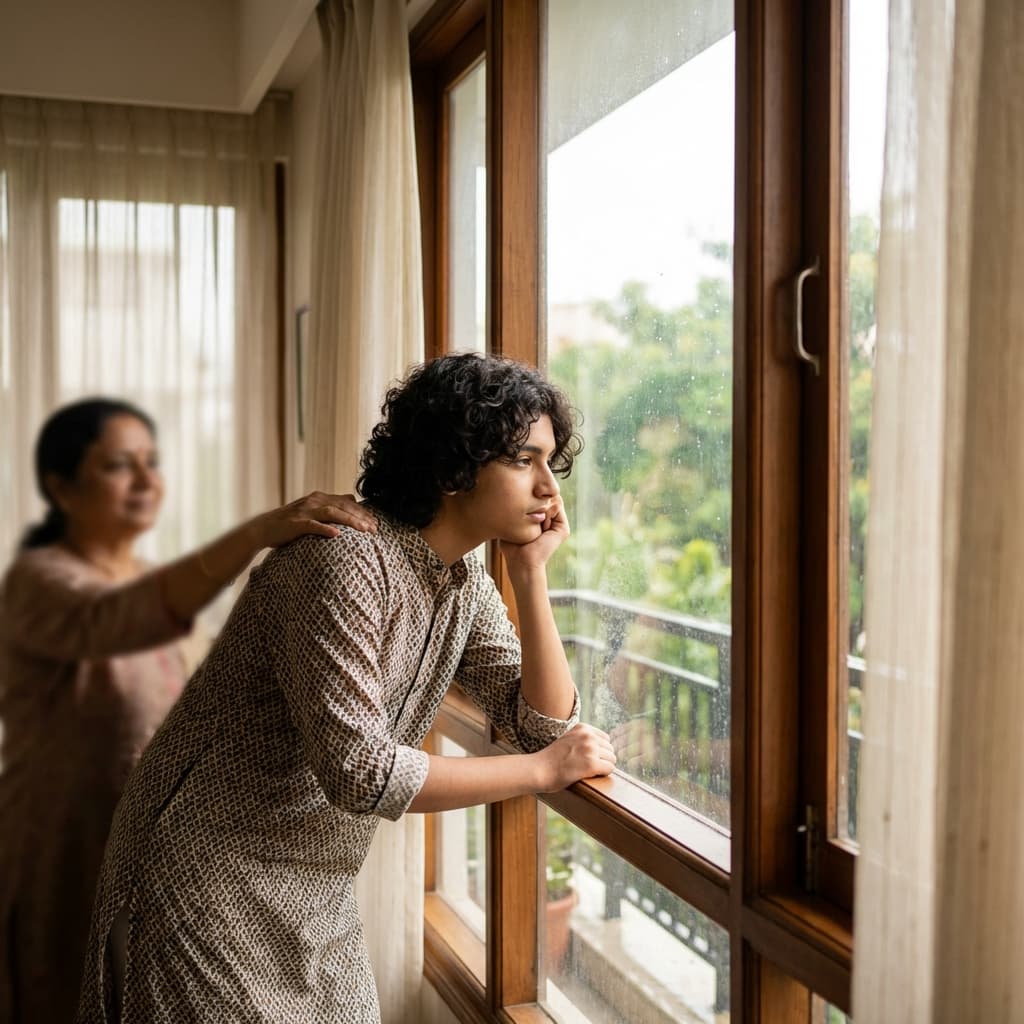
A teen's "anxiety" often shows up not as sadness, but as sleep loss, headaches, stomach pain, irritability, and falling grades. And yes—social media can be part of the trigger, mainly by disrupting sleep and increasing social comparison.
The science is nuanced: studies don't say every teen is harmed. But large reviews consistently show that higher or problematic social media use is associated with worse mental health and sleep—and some studies suggest the relationship is strongest in early adolescence.
1. What "Anxiety" Looks Like in Teens (Often Physical)
Many teens don't say "I'm anxious." They show it physically. Watch for clusters like:
Sleep Problems
- Trouble falling asleep
- Midnight scrolling
- Waking tired
Head & Body
- Frequent headaches
- Neck/shoulder pain (device posture)
- Muscle tension
Gut Symptoms
- Nausea or tummy pain before school/exams
- Loose stools or constipation
Heart & Breath
- Palpitations
- Chest tightness
- "Can't take a full breath" feeling
Skin & Nervous Habits
- Nail biting
- Hair pulling
- Skin picking
Mood & Behavior
- Irritability, anger bursts
- Withdrawal from family
- Sudden tears
School Impact
- Drop in performance
- "I can't focus"
- Missed classes, avoidance
Parent Clue: If symptoms spike on Sunday night, after phone use, or before school/exams—think stress + sleep disruption.
2. Why Social Media Hits Teens Harder
The Sleep Displacement Problem
Teens need 8–10 hours of sleep (ages 13–17). The AAP recommends:
- Stopping screens 1 hour before bed.
- Keeping phones/screens out of the bedroom at night.
When sleep drops, anxiety symptoms rise—because the brain's emotion control systems become less stable.
The Stress Loop
Social media may not be "the cause," but it can be the accelerator—especially when it:
- Steals sleep
- Triggers social comparison
- Exposes teens to cyberbullying
3. India-Specific Factor: Anemia Can Mimic Anxiety
In India, anemia is extremely common in adolescents. NFHS-5 data shows a high burden, especially in adolescent girls.
Why This Matters
Anemia can cause:
- Fatigue
- Palpitations
- Breathlessness on exertion
- Dizziness
- Poor concentration
- Headaches
These symptoms are often labeled as "anxiety" or "laziness."
Important: This doesn't mean anxiety is "just anemia." Good care often addresses both: mental health screening + basic medical rule-outs.
4. What Parents Should Do First (7-Day Reset)
Step A — Fix the Sleep Environment (Highest ROI)
- Phone outside bedroom (charge in living room).
- No screens 60 minutes before bed.
- Same wake time daily (weekends too—avoid massive shifts).
Step B — Reduce "Algorithm Stress"
- Unfollow accounts that trigger body comparison / doom scrolling.
- Turn off non-essential notifications.
- Agree on screen-free zones: meals + study desk + bedtime.
Step C — Watch for Cyberbullying
Mood changes + secrecy + school avoidance may be bullying-related. Keep conversations calm and specific ("What happened today?" not "Why are you like this?").
Step D — If Symptoms Persist >2–3 Weeks
Use a clinician to screen for:
- Anxiety / Depression
- Sleep disorders
- ADHD
- Substance use
- Bullying
- Self-harm risk
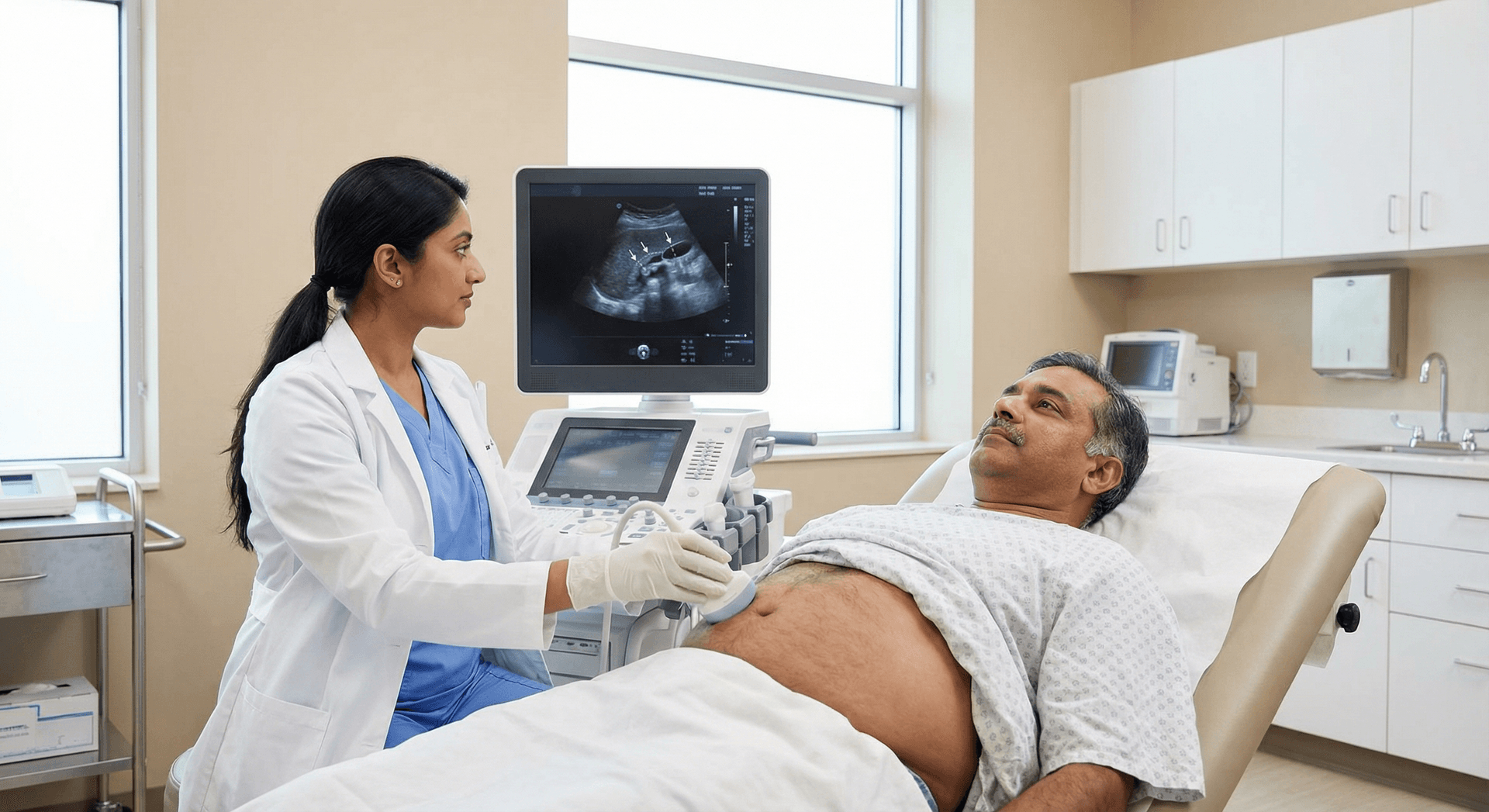
5. Ruling Out Medical Causes
When to Consider Basic Tests (Rule-Out Panel)
- Persistent fatigue, palpitations, headaches, dizziness
- Major sleep disruption + daytime sleepiness
- Poor focus/grades despite effort
- For girls: heavy periods, irregular cycles, acne/weight changes
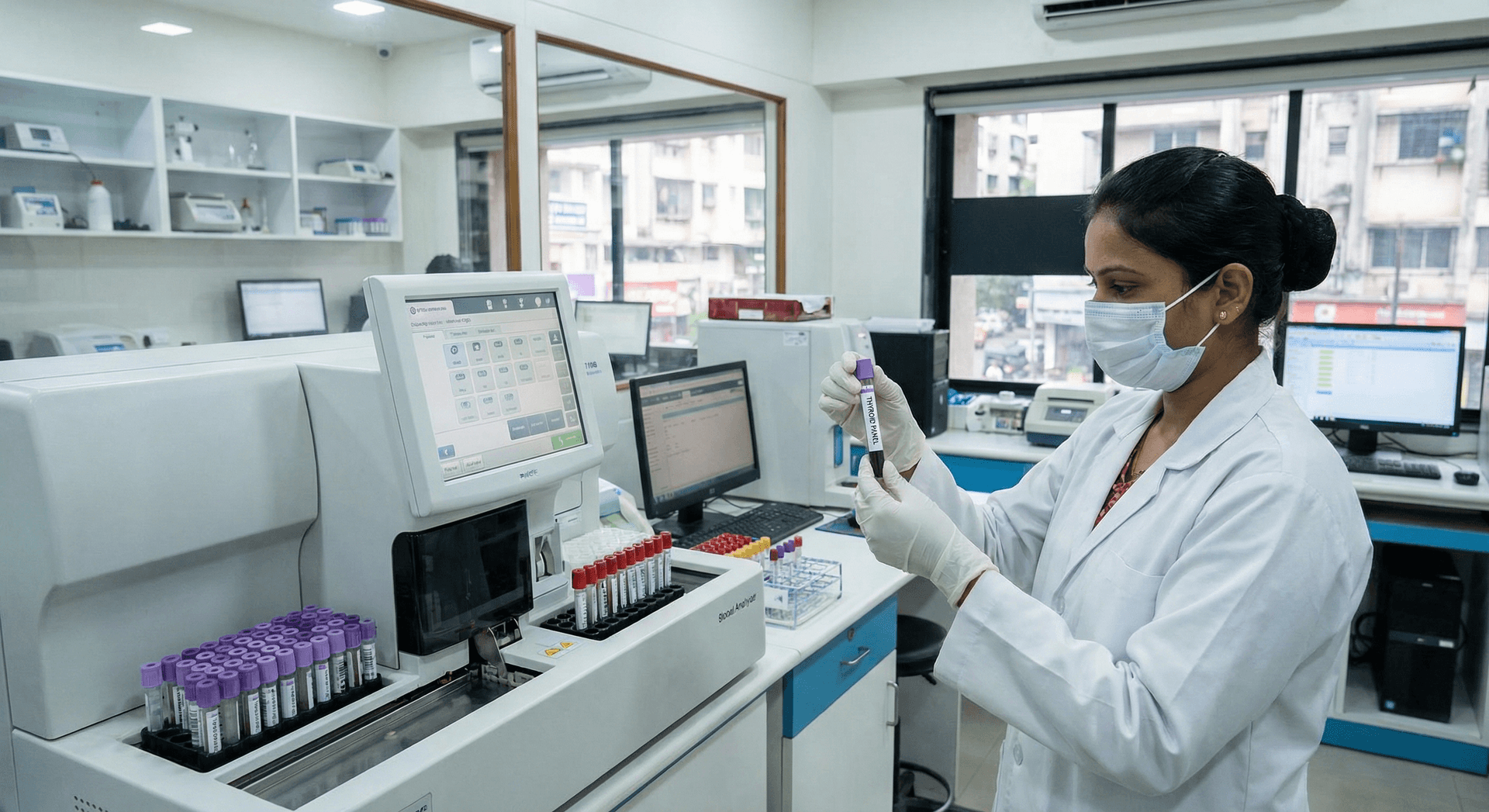
Suggested "Adolescent Health Check"
Core Tests:
- CBC / Hemoglobin – Anemia screening.
- Iron Studies – Ferritin/Iron profile (as advised).
- TSH – Thyroid imbalance can mimic anxiety symptoms.
Add-ons (if symptoms suggest):
- Vitamin B12 / Vitamin D – Fatigue, mood, aches.
- Hormonal Balance – For girls with cycle issues/PCOS features (clinician-guided).
Trust Builder: Blood tests don't "diagnose anxiety." They help rule out common medical contributors while your clinician addresses sleep, stress, and mental health.
6. Red Flags (Don't Wait; Act the Same Day)
Seek urgent help if there is:
- Talk of self-harm/suicide, giving away belongings, or "you'd be better off without me"
- Self-harm marks
- Severe panic attacks with fainting, chest pain, or breathing difficulty
- Complete school refusal + isolation
India Help (24×7): Tele-MANAS — call 14416 or 1800-891-4416 for free, confidential support.
7. Your Next Step
Worried about your teen's sleep, stress, or physical symptoms?
🏥 Book a Magnus Adolescent Health Check
Anemia + Thyroid Focused
North Paravur | Irinjalakuda | Aluva
📞 Call Now: +91 89031 01010 💬 WhatsApp Us 📋 View Adolescent Packages
FAQ
1. Does social media cause teen anxiety? Evidence shows associations with anxiety/depression and sleep problems; mechanisms often include sleep displacement, cyberbullying, and social comparison.
2. How much sleep should teens get? Teens (13–17) should get 8–10 hours.
3. What's one rule that helps immediately? No phone in the bedroom + stop screens 1 hour before bed.
4. Why check anemia/thyroid in teens with anxiety-like symptoms? Because fatigue, palpitations, poor focus and headaches can overlap with anemia or thyroid imbalance; anemia is common in Indian adolescents.
Related Reading
Book your diagnostic test at Magnus Diagnostics — Kerala's most trusted diagnostic center.